Focused arrival windows
Useful updates and clear arrival timing.
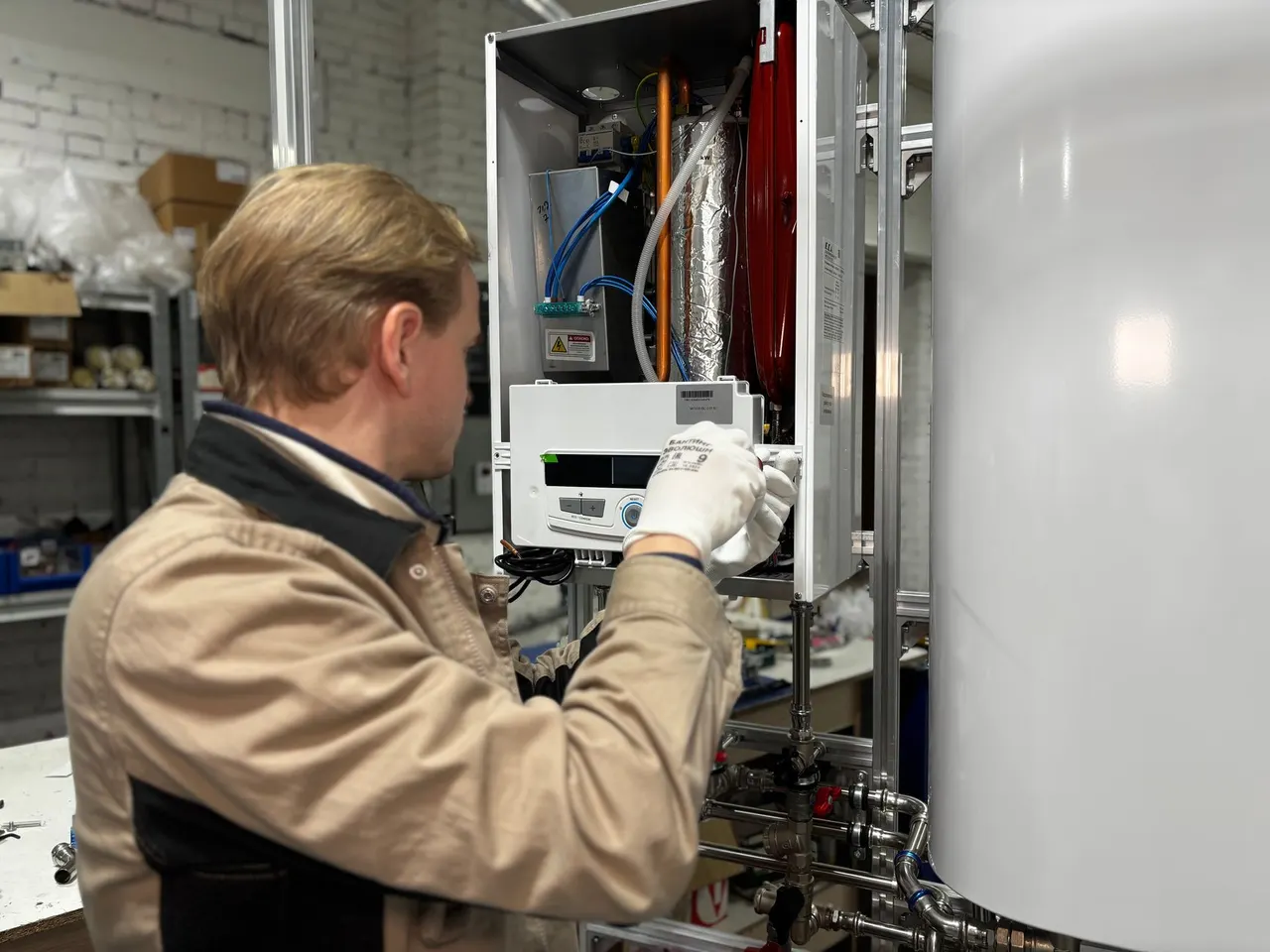
Tankless Water Heater Maintenance Prescott AZ is the yearly flush and inspection that keeps your unit heating water fast. We service Rinnai, Navien, Noritz, Rheem, and Bosch systems across Yavapai County. If your hot water is sputtering, your unit is throwing error codes, or it has been more than 12 months since the last flush, book tankless water heater service in Prescott now.
Useful updates and clear arrival timing.
Review the approach and price before deciding.
Equipped vehicles and respectful cleanup.
Neighbors serving neighbors with follow-through.
Every maintenance visit covers the water path, the gas train, and the safety components. If we find a failed part, we quote it before we replace it. Here is what is included in a standard service.
We circulate descaling solution through the heat exchanger with a descaling pump and flush kit for 30 to 45 minutes. On heavily scaled units we run a second cycle. The solution goes in clear and comes out carrying the calcium and magnesium that was insulating the metal.
The inlet filter catches debris before it reaches the flow sensor. We pull it, rinse it, and check for damage. A clogged filter is one of the most common causes of low water pressure and short cycling we see on Prescott tankless units.
We test the flow sensor with a digital multimeter and inspect the igniter and flame sensor. These parts fail gradually, and catching them during a maintenance visit is cheaper than a mid-winter emergency call when the unit will not fire.
We check the gas valve with a manometer to confirm the unit is getting the pressure it needs. Low gas pressure causes flame failure and ignition failure codes. If the reading is off, we trace it back to the supply and correct it.
We log the inlet and outlet temperatures before and after the flush. That number tells you exactly how much the descaling improved performance. It also gives the next technician a baseline to compare against.
Share what is happening and receive a clear next step from the local team.
Tankless Water Heater Maintenance Prescott AZ is a scheduled service that descales the heat exchanger, flushes mineral buildup, and inspects every safety component on your unit. We connect a descaling pump and flush kit to the service valves, circulate descaling solution through the water path for 30 to 45 minutes, then flush with clean water. After that, we pull the inlet filter, check the flow sensor, test the gas valve, and verify the igniter and flame sensor are reading correctly. Most jobs take 60 to 90 minutes.
Prescott water runs hard. The Colorado River system and local wells leave calcium and magnesium behind, and that scale insulates the heat exchanger, forcing the unit to work harder and run longer. We see scale buildup on nearly every tankless unit in 86301 and 86305 that has gone more than a year without service. If you are searching for tankless water heater maintenance near me Prescott AZ, that buildup is usually why your unit is short cycling or throwing an error code.
We start by running hot water at two fixtures and logging the inlet and outlet temperatures with a thermometer. That temperature rise tells us how much scale is insulating the heat exchanger before we touch anything. We also read any stored error codes off the control board.
We close the service valves, connect the descaling pump and flush kit, and circulate descaling solution through the unit for 30 to 45 minutes. On heavily scaled Prescott units we run a second cycle. The solution goes in clear and comes out cloudy with calcium.
With the water path clean, we pull the inlet filter and rinse it, inspect the flow sensor, check the gas valve with a manometer, and test the igniter and flame sensor. We replace O-rings and gaskets if they are brittle. This is where we catch small problems before they become call-outs.
We open the valves, purge air from the lines, and fire the unit. Then we run hot water at every fixture in the house and watch the temperature hold. If the unit short cycles or drops temperature, we adjust the flow rate or clean the sensor again before we pack up.
You get a written summary: the before and after temperature rise, the descaling solution used, any parts replaced, and the date of your next service. We log it so your warranty paperwork stays current. Most customers book the next year's flush before we leave the driveway.
Circulates descaling solution through the heat exchanger to dissolve calcium and magnesium scale. We run it for 30 to 45 minutes per cycle, longer on heavily scaled units.
Tests the flow sensor, igniter, and control board for correct voltage and resistance. It tells us whether a part has failed or just needs cleaning.
Measures gas pressure at the valve. Low pressure causes ignition failure and flame failure codes, and it is one of the first things we check on a unit that will not fire.
Logs inlet and outlet water temperatures and system pressure before and after the flush. That temperature rise is the clearest proof the descaling worked.
Used to open service valves and clean the inlet filter housing. The tube brush clears debris the rinse water leaves behind.
This is the safety standard for gas-fired water heaters. We follow it when we test the gas valve, check venting, and verify the flame sensor. It is the baseline for a code-correct service.
We follow the Uniform Plumbing Code on water line connections, pressure relief valve sizing, and venting. If your unit was installed without a pressure relief valve, we flag it and correct it.
We use EPA WaterSense guidance when we check flow rates and fixture demand. Matching the unit's capacity to actual household demand prevents short cycling and extends the unit's life.
Rinnai, Navien, Noritz, Bosch, Rheem, Takagi, AO Smith, and Bradford White each publish a recommended descaling interval. We follow the manufacturer's spec and adjust for Prescott water hardness.
We run a full descale, clean the inlet filter, and test the flow sensor, igniter, and gas valve. If a part has failed, we quote it before replacing it. Most units come back to full performance after one service. The error codes stop, the unit fires reliably, and you get a written record of the flush for your warranty file.
We test the water hardness, descale the heat exchanger, and set you up on an 8-month service interval instead of yearly. We also check the inlet filter, which clogs faster on well water. Hot water holds through back-to-back showers, and the unit stops short cycling. The shorter interval keeps scale from rebuilding.
We perform a full maintenance service and document the condition of the heat exchanger, flow sensor, and gas valve. That report tells you whether the unit has life left or is on its way out. You get a clear picture of the unit's condition before closing, plus a baseline record for future service.
We replace the O-rings and gaskets at the valves, check the pressure relief valve, and inspect the cabinet for corrosion. If the leak has been going for a while, we check the wall behind the unit. The leak stops, the cabinet is dry, and you avoid a bigger repair down the road.
Prescott water is the main variable. City water from the Colorado River system and private wells in Williamson Valley both carry calcium and magnesium, and that scale builds on the heat exchanger every month. We see units in 86301 and 86305 that need annual descaling, and well-water homes that need it every 8 to 10 months. Winter adds another wrinkle. Overnight freezes in Yavapai County can crack a heat exchanger if the unit is in an unheated garage or exterior closet, so we check freeze protection and insulation on every fall visit. Summer monsoon season brings dust and debris that clogs inlet filters faster, which is why we clean the filter at every service. If you are looking for tankless water heater descaling in Downtown Prescott, we run calls there weekly and know the older homes and their venting quirks.
Older homes with retrofitted tankless units. Venting and gas line sizing are the common issues we correct during maintenance visits.
Elevated lots with colder overnight temperatures. We check freeze protection and insulation on exterior units here every fall.
Newer construction with recirculation loops. These systems need the flow sensor checked more often because the pump runs constantly.
Mixed housing stock with a range of unit ages. We see both well-maintained systems and units that have never been descaled.
Well water territory. Higher mineral content means shorter descaling intervals, usually every 8 to 10 months.
Calcium and magnesium scale the heat exchanger faster than in softer-water cities. Annual descaling is the minimum, and well-water homes need it more often.
Units in unheated garages or exterior closets can freeze and crack the heat exchanger. We check freeze protection and insulation on fall maintenance visits.
Summer storms clog inlet filters and can block venting. We clean the filter and inspect the vent termination at every service.
Prescott sits above 5,000 feet, and gas pressure can run lower at altitude. We check the gas valve with a manometer and adjust if the reading is off.
A Navien NPE-240A in 86303 was throwing an E003 error code and the hot water lasted about four minutes. The inlet filter was clogged and the heat exchanger had visible scale. The homeowner had never had the unit serviced.
We ran two descaling cycles, replaced the inlet filter and a brittle O-ring, and cleaned the flow sensor. The temperature rise went from 38 degrees to 52 degrees. The unit now holds hot water through a full shower and the error code has not returned.
Maintenance: We set this customer on a 12-month descaling schedule and recommended checking the inlet filter every six months. City water in 86303 is moderately hard, so annual service keeps the scale from rebuilding.
A Rinnai RU199i in Williamson Valley was short cycling every few minutes and the water went warm-cold-warm during showers. The home is on a private well with high mineral content, and the unit had gone 18 months without a flush.
We descaled the heat exchanger, cleaned the inlet filter, and checked the gas valve with a manometer. The short cycling stopped and the unit held a steady 120 degrees at the tap. We replaced the inlet filter, which was packed with sediment.
Maintenance: Because of the well water, we put this home on an 8-month descaling interval and recommended a whole-house water filter ahead of the unit to reduce sediment load.
A Rheem RTGH-95DVLN in Prescott Lakes had a recirculation pump that ran constantly and the flow sensor was reading erratically. The unit was two years old and had never been serviced. Hot water at the furthest fixture took over a minute.
We descaled the heat exchanger, cleaned the flow sensor, and adjusted the recirculation settings. Hot water now reaches the furthest fixture in about 20 seconds. The unit stopped cycling on and off during low-demand periods.
Maintenance: We recommended annual tankless water heater maintenance in Prescott, Arizona for this system and a flow sensor check at every visit because the recirculation pump adds wear.
Most tankless failures start as a maintenance issue and turn into a repair bill. These are the problems we see most often on Prescott units, and what happens if you let them ride.
The unit runs longer for the same hot water, energy bills climb, and the exchanger eventually cracks or overheats. A cracked exchanger usually means replacing the unit. We descale the heat exchanger with a descaling pump and flush kit, restoring heat transfer. Annual tankless water heater maintenance in Prescott, Arizona keeps scale from ever reaching the point where it damages metal.
The unit locks out and you are resetting it every morning. In winter, that means cold showers. Repeated ignition failure can also foul the burner. We read the stored codes, clean the flow sensor, test the igniter and flame sensor, and verify gas pressure with a manometer. Most code issues trace back to a dirty sensor or low gas pressure, not a failed board.
Hot water goes warm, then cold, then hot again mid-shower. It is annoying, and it usually means the unit is struggling to modulate because of scale or a restricted inlet filter. We clean the inlet filter, descale the water path, and check the flow rate. If the unit is oversized for the demand, we adjust the settings. Most short cycling resolves after a full flush.
A slow drip under the unit corrodes the cabinet and can damage the wall behind it. Left alone, it becomes a bigger repair. We inspect the O-rings and gaskets at the service valves during every maintenance visit and replace brittle ones on the spot. Catching a $5 gasket early prevents a cabinet replacement later.
We have been servicing tankless water heaters in Prescott since 2025, and our technicians hold NATE certification and carry an Arizona ROC licensed plumber credential. We work on Rinnai, Navien, Noritz, Bosch, Rheem, Takagi, AO Smith, and Bradford White units, and we follow ANSI Z21.10.3 and Uniform Plumbing Code standards on every job. Our trucks carry descaling pumps, flush kits, digital multimeters, manometers, and the common O-rings and gaskets so most repairs finish in one visit.
Once every 12 months for most Prescott homes, and every 8 to 10 months if you are on well water. Hard water is the deciding factor. If you are in 86305 or on a private well, the calcium load is higher and the heat exchanger scales faster. We check your inlet filter at each visit and adjust the interval based on what we find.
Typical 2026 pricing for a full descale and inspection runs $180 to $350 depending on unit size and how much scale has built up. A single-head unit is on the low end. Multi-head systems with recirculation loops take longer and cost more. If we find a failed flow sensor or igniter, that part is quoted separately before we install it.
A full flush includes circulating descaling solution through the heat exchanger for 30 to 45 minutes, rinsing the water path, cleaning the inlet filter, testing the flow sensor, checking the gas valve with a manometer, and verifying the igniter and flame sensor. We also log the inlet and outlet temperatures before and after so you can see the improvement.
Yes. Prescott water leaves calcium and magnesium deposits on the heat exchanger, and that scale insulates the metal so heat cannot transfer. The unit runs longer, the burner cycles more, and eventually the exchanger cracks or the unit throws a flame failure code. Annual descaling is the fix. Skip it and you are looking at a heat exchanger replacement instead of a $200 service.
Not seeing your question? Our local team can help you understand urgency, scheduling and what to expect.
Ask the local team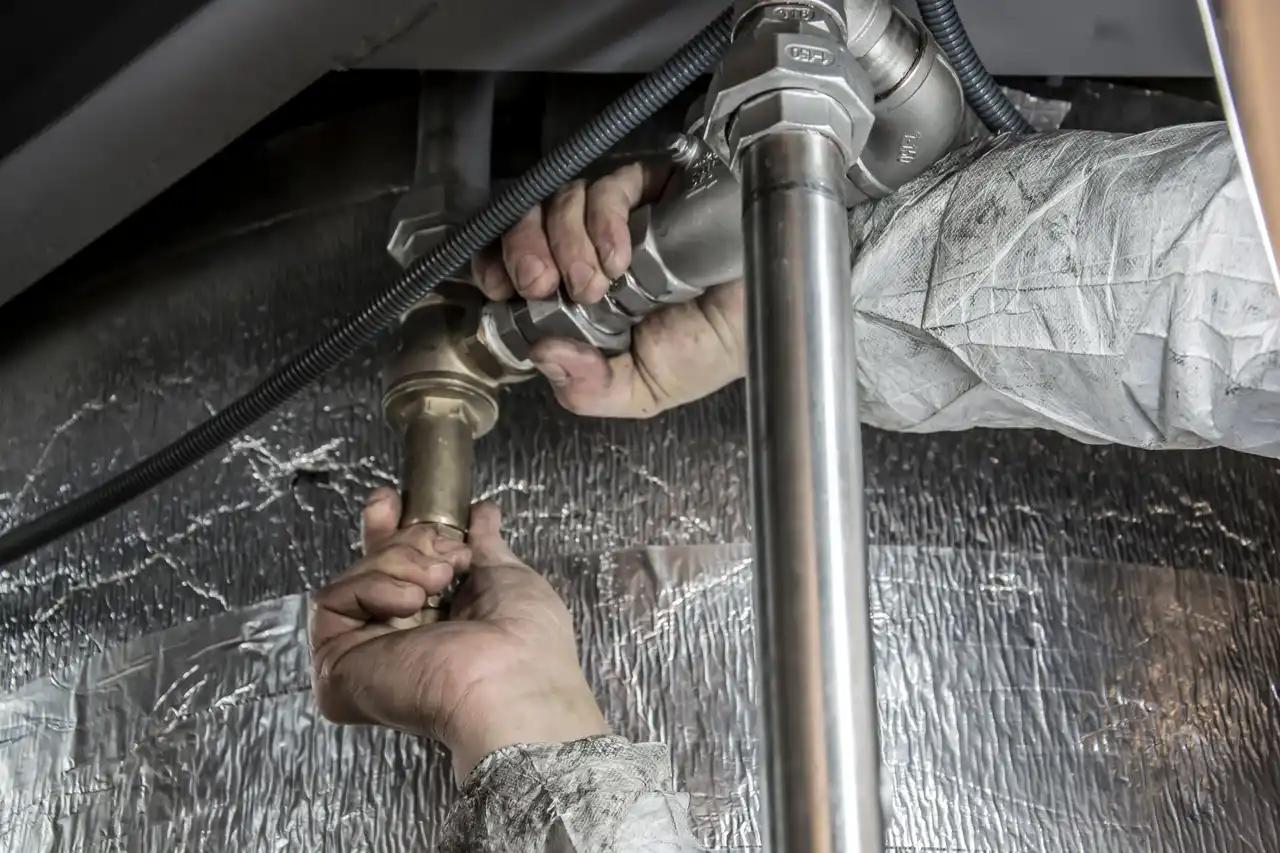
If your current unit is beyond saving, we install Rinnai, Navien, Noritz, and Rheem systems sized for your Prescott home. We handle the gas line, venting, and code compliance, then set you up on a maintenance schedule from day one.
View service
When a heat exchanger fails or the repair bill approaches the cost of a new unit, we swap it out. We reuse existing service valves and venting where code allows, which keeps the job to a single day for most Prescott homes.
View service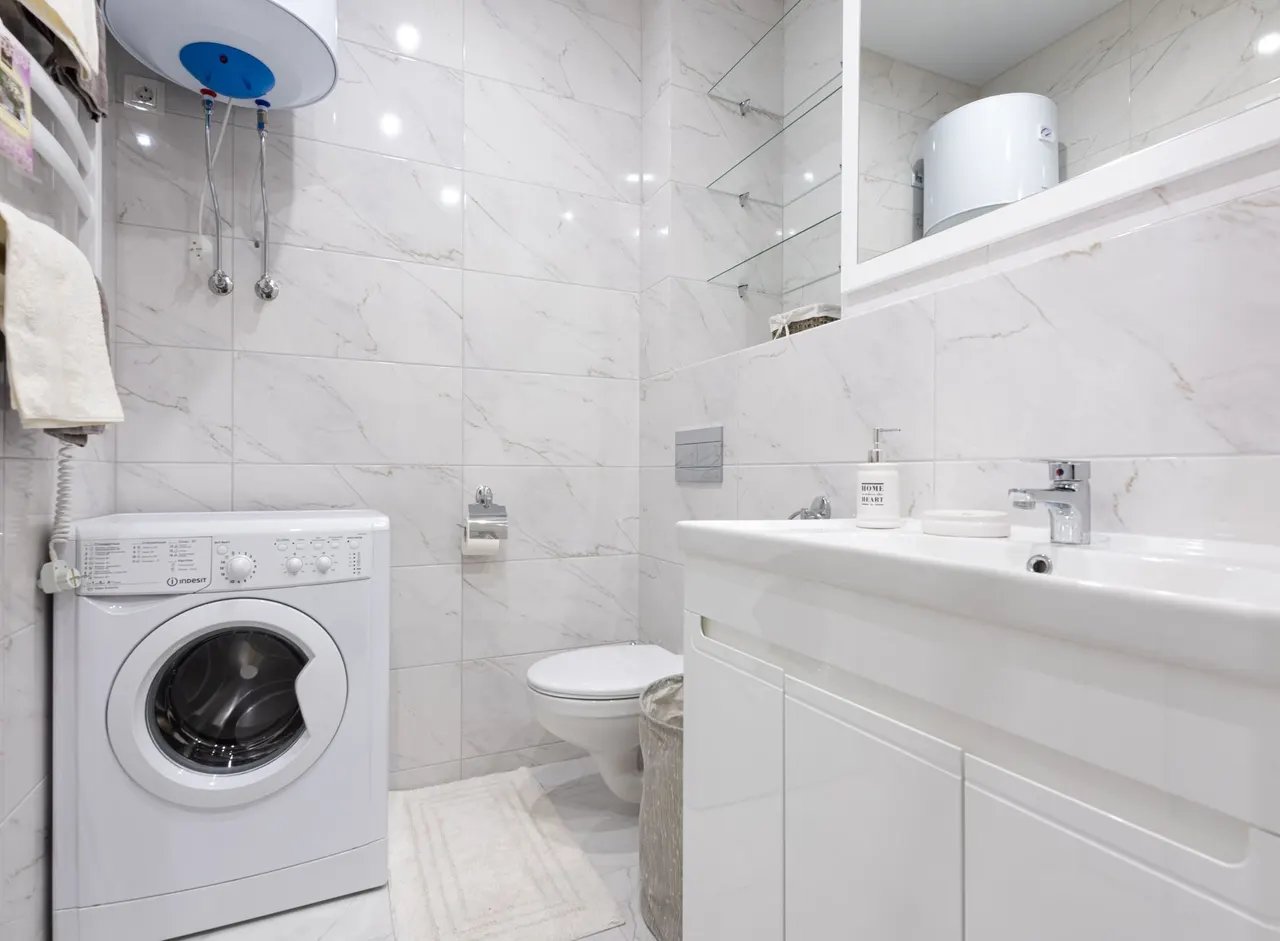
Call us at +1 321-497-8646 or email info@tanklesswaterheaterrepairprescott.com. We answer calls Monday through Friday, 8am to 6pm, and we offer 24/7 emergency dispatch for no-hot-water situations. If you're in Prescott or Yavapai County, we can usually get to you the same day.